









How Much Does It Cost to Develop a Healthcare App?
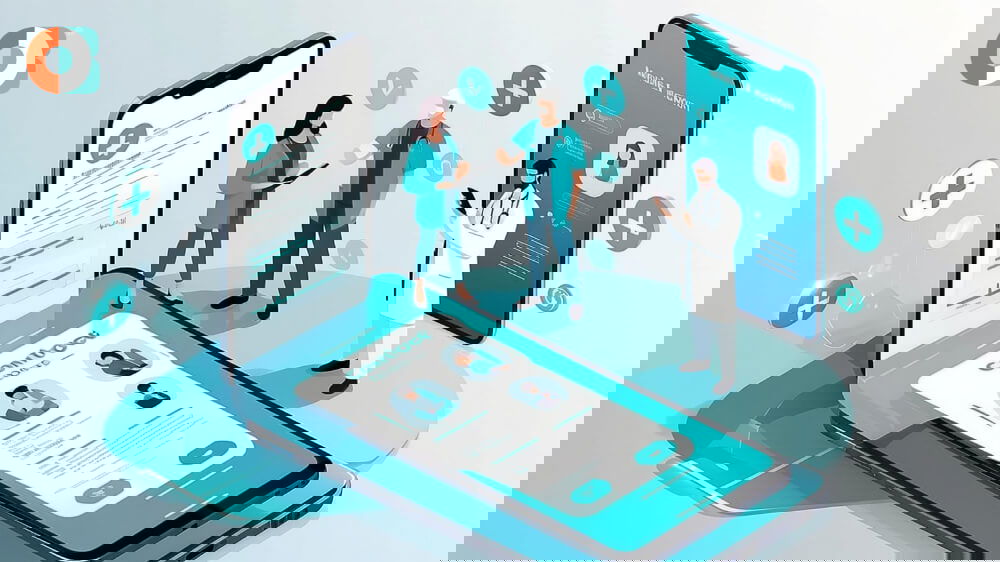
Healthcare apps are no longer optional; they have become a necessity for hospitals, clinics, and digital health startups. Telemedicine, remote patient monitoring, e-prescriptions, and wellness tracking are just the beginning, as healthcare providers move from traditional healthcare practices to digital solutions.
The global market for mHealth apps is projected to reach USD 113.2 billion by 2034, clearly indicating strong market demand. As this market grows, an important question arises before development begins: how much does healthcare app development cost? This guide breaks down the costs and explains how you can stay within your development budget.
Approximate Cost of Making Your Healthcare App
Typically, the health app pricing stays between $30,000 and $80,000 when developing a simple MVP. However, you need to spend $150,000–$500,000 if you look forward to making a more sophisticated, enterprise-level application.
Mobile medical applications touch on sensitive information of patients and need a robust architecture and compliance measures. The cost differs depending on aspects such as app plan and design, development, and maintenance after launch.
| App Type | Cost Range | Timeline |
|---|---|---|
| Basic healthcare application | $30,000–$80,000 | 3 to 4 months |
| Mid-level app for healthcare | 80,000-$150,000 | 5 to 8 months |
| Advanced healthcare app | $150,000–$500,000 | 9 to 14+ months |
Healthcare App Development Cost by Complexity
The development of your health app will be costly depending on the level of complexity. We have divided healthcare apps into three different tiers, and each tier has various timelines, teams, and capital demands.
Tier 1: Simple Medical Applications- $30,000 to $80, 000
- Timeline: 3 to 4 months
- Ideal fit: Idea testing, starting with small-scale funding, initiating proof of concept.
- When to use this tier: If you are a startup with a low budget, you can opt for this option. Also, businesses that wish to test healthcare app concepts or launch a low-feature set can go for this one. This is the affordable yet fastest route to launch.
Tier 2: Mid-Level Healthcare Apps - $80000 to $150000
- Timeline: 5 to 8 months
- Best suited: Complete healthcare solutions that are prepared to enter the market.
- When to choose this level: When you have funding or revenue, or you have a complete product to offer to enterprise customers, you can choose this. Although the medical app development cost will be higher at this level, it is suitable for implementing subscription-based healthcare systems. It will be advanced enough to be market-ready.
Tier 3: Enterprise Healthcare Applications- $150,000 to $500,000 and above
- Timeline: 9 to 14+ months
- Best use: Hospital systems, high-level healthcare systems, intricate clinical processes.
- When to choose this tier: When you are a well-established healthcare institution with substantial funding, you can choose this tier. If you need to work with several hospital systems or require AI-powered diagnostic features, this tier is the most suitable option. This level supports enterprise customers with complicated needs.
Key Factors That Influence Healthcare App Development Cost
Different factors have a significant impact on the healthcare app development cost. This helps businesses plan their budgets accurately and avoid unexpected costs during the development cycle.
App Features and Functionality
The number and complexity of features affect development time and cost. While basic features such as appointment booking and registration cost less, the ones with advanced integrations, such as AI-based diagnostics, telemedicine, and real-time health monitoring, can increase the cost.
Compliance and Safety Requirements
Healthcare apps must comply with strict regulatory and security standards. At the same time, it is important to implement encryption and secure authentication. Furthermore, protected patient data storage can increase development complexity. This helps ensure regulatory compliance.
Platform Choice
Developing separate apps for Android or iOS requires more resources than building a cross-platform app. Businesses must choose a platform that fits their strategy and caters to their target audience and long-term stability goals.
Third-party Integrations
Healthcare apps can integrate with third-party payment gateways, electronic health records, hospital management systems, or wearable devices. Each of these can increase the app development cost because of extra testing and development requirements.
Types of Healthcare Apps and Their Development Cost
Healthcare applications are built for different purposes. Each of these categories requires different infrastructure, compliance standards, and functionality. The development cost of these apps largely depends on the type of solution being built.
Telemedicine Apps
These apps allow patients to consult doctors remotely through digital prescriptions, chat, or video calls. These apps require electronic health record access, video communication, and strong data protection measures. Secure patient data management and real-time communication add to the complexity. Telemedicine apps typically cost between $80,000 and $300,000, depending on video infrastructure, EHR integration, and compliance requirements.
Fitness and Wellness Apps
Fitness and wellness apps help users track health analytics, nutrition, and physical activity. While the basic versions can cost between $25,000 and $80,000, advanced versions can be significantly more expensive.
Appointment Booking Applications
Through the appointment booking apps, you can schedule doctor visits, manage appointments, and receive reminders. These are slightly less complex, and the cost typically ranges from $30,000 to $100,000.
Remote Patient Monitoring Apps
These apps are crucial to monitor and collect patient health data through wearable sensors and connected devices. It requires device integration and real-time data processing. Therefore, the development costs can range between $100,000 and $400,000 because of the complexities.
Healthcare App Development Cost Breakdown by Development Stage
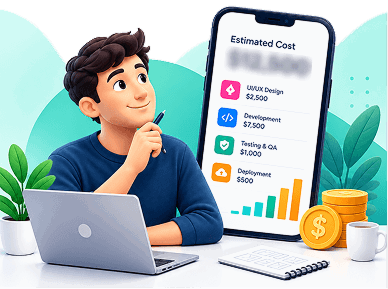
Healthcare development costs are influenced not only by coding but also by several other factors. Here's how each stage contributes to the overall cost:
UI/UX Design
The design stage is one of the most critical phases to ensure users have an intuitive navigation experience. It builds an intuitive and user-friendly interface for healthcare providers and patients. This stage includes user journey planning, visual design, and wireframing to ensure easy navigation.
Frontend and Mobile Development
It involves building the mobile application interface that the users will interact with. It includes various features like user dashboards, appointment booking, and messaging systems.
Backend Development
The backend development takes care of user authentication, data storage, integration with external healthcare systems, and server logic. A strong backend is extremely crucial for managing patient data and records securely.
Testing and Quality Assurance
Data safety and security are crucial for healthcare applications. Thorough testing is essential to ensure compliance and reliability with medical standards.
Deployment and Launch
The final stage of app development includes submission to app stores, configuration, and regular monitoring to ensure a smooth launch.
Unexpected Costs Many Businesses Overlook
In the healthcare app development cost planning, it is common to consider the hours of development and features. Being aware of the hidden costs in the short term ensures that you never have a budget shock.
Cloud Computing and Infrastructure
Your medical application should have solid storage and servers in place. Cloud providers, such as AWS or Azure, do not come at no cost, and hence you can anticipate being charged monthly, depending on how many users you work with, how much data you store and process. In the case of small applications, the cost of development begins with a range of between $50 and $200 per month. Large, high-traffic apps may cost $1,000 or more, but medium projects cost $200-$1000 a month.
Publishing and Licensing Fees in the App Store
Placing your healthcare application on such platforms as the App Store or Google Play is not free. Apple charges developer accounts at $99/year whereas Google Play charges one-time charges of $25. Nevertheless, a certificate, a license and renewal can also add to the medical app development cost. They are insignificant in terms of development but worth budgeting.
After-Sales Support and Fixes
Once it has been released, you will have to check on performance, correct bugs, and release patches. The users can discover problems that you failed to detect in testing. So, it is a rule of thumb to allocate approximately 15-25% of your initial healthcare app development costs to the maintenance costs.
Legal and Security Audits
Security is very important, especially, in the case of healthcare apps. Third-party security audits on the projects are necessary to identify vulnerabilities and ensure compliance. So, here, a simple security audit costs between $5,000 and $15,000 depending on the type of small and medium project. Bigger and more complicated projects that include critical infrastructure and sensitive data can cost $20,000 to $50,000 or more, depending on the scope.
Best Strategies to Lower Your Healthcare App Development Cost
The difference between a healthcare application that ruins your finances, and the one that gets profitable often comes down to intelligent design and critical decisions. So, the following are the ways of minimizing health app pricing without compromising quality and compliance.
Start with an MVP, Not a Full Product
Stay minimal and add patient registration, simple search and appointment booking. Add powerful capabilities such as AI suggestions, integration of telemedicine and analytics once you have tested your business model. The development of Healthcare MVP lowers the initial expenses by 40-50% and confirms the market demand.
Negotiate Vendor Fees
There are no flexible services except in the case of app store developer fees, which are fixed. Hosting providers, payment processors, and third-party API vendors frequently have discounts or special pricing if you commit to larger usage. Negotiations may result in a significant decrease in the overall cost of operation.
Hire Mid-Level Developers
The price of hiring the developers is greatly affected by the experience of the developer. The mid-tier developers that have prior experience in the healthcare field can provide quality code, need minimal supervision, and cost much less than the top experts. A balanced team of 56 developers will be sufficient to create a high-quality healthcare application without busting your budget.
Use Managed Cloud Services
Scalability, security, backups, and uptime are taken care of by such platforms as AWS, Azure, and Google Cloud. Although self-hosting might be cheaper in the short term, it comes with continuous DevOps support. It is challenging and costly to maintain once your application expands. Managed services are expensive in the short run but help you to avoid expensive failure of infrastructure in the future.
Plan Compliance Early
Your architecture should be designed to support HIPAA or GDPR and others. Reworking compliance after the fact leads to costly compliance work and possible fines. Security-first development strategy reduces risk levels and avoids hidden expenses.
Conclusion
Healthcare app development cost depends on various factors like features, integrations, development complexity, and compliance requirements. Businesses that plan the architecture early and prioritize essential features can control development costs more effectively.
Partnering with an experienced healthcare development company ensures scalability, regulatory compliance, and security. Therefore, partnering with experts at Owebest Technologies can help to bring a significant difference. Owebest Technologies can help you build a scalable healthcare application that meets compliance requirements while staying within your budget.