


Healthcare App Development in India: Costs, Benefits & Compliance
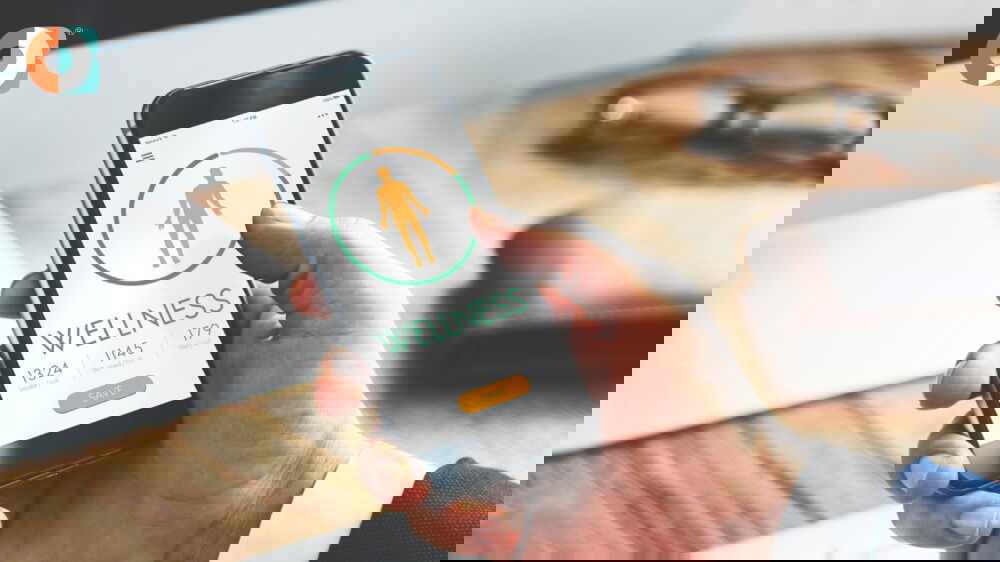
By the year 2025, the wellness‐apps market in India is expected to reach USD 1.44 billion and will experience growth of roughly 16.2% a year. Think about it: Millions of people increasingly rely on apps for everything from tracking wellness, managing chronic illness and scheduling appointments—all from their phones.
But creating a health app is more than a good UI and features. Costs can climb, regulations can be a burden, and the benefits depend on compliance. So, what is the cost of healthcare app development in India? Do they actually bring benefits to the businesses in healthcare? And what about the compliance? Let's know that!
Approximate Costs of Developing a Healthcare App in India
In India, you can expect to pay approximately $15-25 per hour to a company to develop your application. This number is insufficient for complex solutions, though.
Furthermore, the price of developing a healthcare mobile app is driven by various factors, like the type of mobile app you want to build and the features you wish to include. Predicting the price of creating a healthcare app is challenging.
Moreover, the healthcare app development cost will depend on:
- The platform you would like to develop your mobile app on (Android/iOS/Cross Web (Flutter)
- The area where the custom mobile app development company in India is located.
Advantages of Creating Healthcare Apps in India
The digital health ecosystem in India is rapidly developing due to the rapid growth of internet infrastructure and the demand for accessible healthcare services. So, there are specific advantages to healthcare app development in India for patients, providers, and startups. This section will discuss the key benefits in detail.
Increased Access in Under-served and Remote Areas
As mobile internet is becoming increasingly popular, apps allow citizens in the village or small town to meet with specialists, request diagnostics, or receive health tips without having to travel long distances. This reduces care delays and helps bridge the urban-rural divide. This is demonstrated through interventions such as the Tele-MANAS (mental health) and virtual visits with Practo.
Cost Savings for Patients
Healthcare apps make healthcare expenses less costly in terms of travel, accommodation, and the repetitive need for face-to-face interactions. Patients will be able to visit physicians remotely, order prescriptions online and monitor progress digitally. This will not only save money but also reduce transportation costs.
Extended Reach to Rural and Remote Regions
Most of the Indian population dwells in rural areas that have a small number of specialists. When you hire mobile app developer in India to make telemedicine apps, it offers multiple advantages. The apps provide consultations with specialists to the distant communities without relying on travelling to urban areas. Applications may be connected to the local clinics to receive diagnostics, use video calls, and others.
Better Chronic Disease Management and Monitoring
Indian applications such as Utsarjan are assisting children with nephrotic syndrome to monitor their relapses, clinical tests, medication adherence, and offer real-time support. (Source) They provide support, especially to those who reside far from specialists. Therefore, continuous monitoring helps reduce the risk of complications and the likelihood of hospitalizations.
Personal Health Monitoring
There are blood pressure, sugar, activity, sleep, and diet apps that help a user monitor their health every day. This helps in controlling long-term illnesses, promoting better health practices, and preventing disease. Patients will be able to provide doctors with correct data. Also, this constant attention lowers hospital admissions and enhances healthcare in the long run.
Emerging Business Opportunities
The healthcare app development in India presents an opportunity for telemedicine, diagnostics, wellness, and health analytics services. Hospitals and startups can access new audiences online. Also, individualized solutions increase the revenue and involvement of the patient.
Reduced Diagnostic Errors
Combined electronic records and artificial intelligence notifications help physicians make informed decisions. The apps' automated reminders, history tracking, and live updates eliminate the chances of diagnostic errors. So, it overall enhances patient safety and increases treatment effectiveness, developing trust between physicians and patients.
Streamlined Billing and Payments
The payment systems are integrated to enable transactions to be easy, quick and safe. The patients are able to make payments through online services for appointments, tests, and medicines. The hospitals minimize paperwork and financial mistakes. Also, the automation enhances the efficiency of operations. The operational process of healthcare facilities is made transparent, convenient, and reliable with the help of healthcare apps.
Continuous Data Flow
Apps keep the communication of health information between physicians and patients continuous. Even it helps exchange the real-time lab results, prescriptions, and updates very easily. Also, doctors, through the app, can control disease progress, make the necessary changes, and intervene when necessary. This constant data flow guarantees proactive, correct and effective healthcare provision.
Tips to Maintain Proper Compliance
The consequences of not adhering to the rules in healthcare can be very serious legally. Strict guidelines are required in patients, data security and ethical standards that healthcare apps must observe to ensure the patient is safe. The healthcare app development in India can never be successful unless there is a good adherence to regulations.
Administrative Safeguards
These include written policies and procedures of PHI access. Therefore, educate train workers about the data security and HIPAA requirements. Carry out risk assessment continuously to identify vulnerabilities and mitigate the potential threats before they can impact on users.
Technical Safeguards
Encrypt both rest and transmission of data. Also, have powerful passwords, access controls, and audit trails. Data and information on sensitive information must be secured by all technical means and tracked to prevent unauthorized access.
Business Associate Agreements (BAAs)
BAAs must be signed by third-party vendors handling PHI. Such agreements bind them, under the law, to act in accordance with HIPAA and ensure the privacy of user data.
SaMD Software as a Medical Device (SaMD)
When your app is a medical device, then follow the laws of CDSCO or the FDA. Label the equipment properly, file pre-market notifications, and follow guidelines on software verification, along with risk management procedures.
State and Local Privacy Laws
Keep up with the state legislation, such as DPDPA, 2023 of India. Make sure that your application is responsive to local privacy and security standards to evade fines.
Connection and Cybersecurity
Provide applications to users with disabilities based on WCAG. Enforce effective cybersecurity, perform vulnerability testing and have an incident response plan.
Conclusion
Going for healthcare app development in India can be a wise idea for businesses. They are growing in popularity; they enhance patient care, lower costs, and increase access. These advantages are based on the correct adherence to rules and data protection norms.
However, best practices should be adhered to establish trust through your apps. Nevertheless, Owebest Technologies can be trusted in order to kick-off your app development journey. They have seasoned developers who have specialized in the creation of safe and powerful health care solutions.