










Cloud Computing in Healthcare 2026: Benefits, Real-world Use Cases, & Future Impact

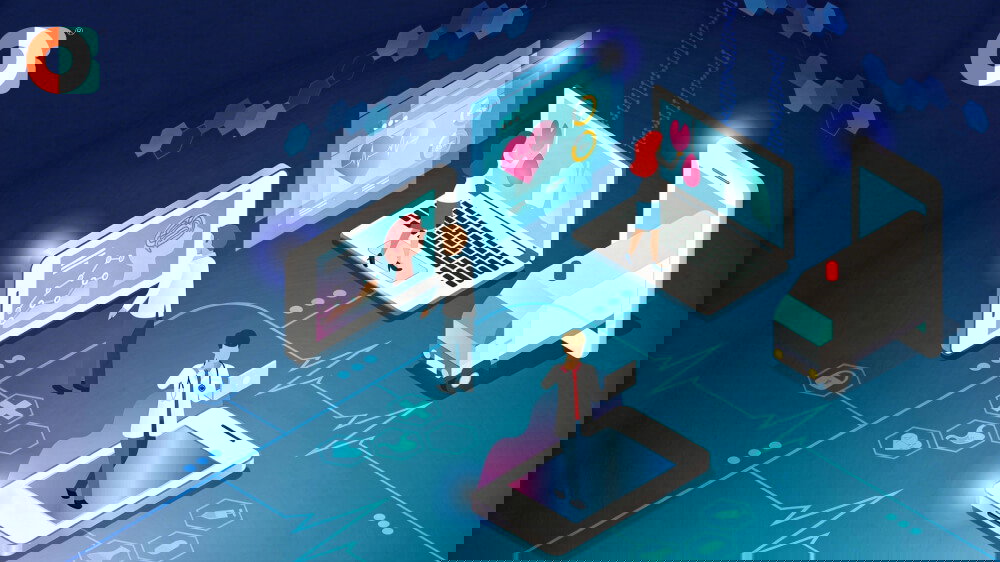
Today, cloud computing is rapidly transforming the healthcare industry and shaping the future of the Medical Industry by enabling secure data storage with AI-powered analytics and real-time patient monitoring. According to the Healthcare Data Explosion Report, this data is also significantly growing at a staggering rate of 36% every year, which is considered much faster than any other industry.
But the fact is, a huge amount of data is not being used properly. Still, many healthcare providers rely on traditional systems that cannot properly store and use large amounts of data. This is where cloud computing in healthcare makes a significant difference.
What is Cloud Computing in Healthcare?
Cloud computing in healthcare is actually a core part of the advanced computing services. The process includes multiple servers for storage, databases, proper networking, and software. Also, businesses can take advantage of data analytics too; basically, everything can be availed of in the cloud.
According to the latest industry reports, the global healthcare cloud computing market is also expected to surpass $120 billion by 2030, which is mainly driven by the demand for digital health systems, telemedicine, and proper data-driven care. Overall, with cloud computing, you can actually pay for what you use and when you use it.
Types of Cloud Computing in Healthcare
Cloud computing in healthcare is divided into two primary categories. One is how it’s set up (deployment), and the other is what kind of services it provides (service models).
1. By Deployment
These models mainly explain who can properly access the cloud and how it can be used within the healthcare industry.
- Private Cloud: A healthcare organization can exclusively utilize this modern setup. All the systems and data are also managed privately, offering higher security and greater control. This deployment is also perfect for hospitals and labs that deal with sensitive patient data.
- Community Cloud: A group of modern healthcare organizations, such as clinics, hospitals, or research centers, can easily share the same cloud-based healthcare systems. The system turns out to be highly useful when a few providers have common goals or compliance requirements.
- Public Cloud: Public cloud services are available to multiple customers online. When the data is shared, only authorized users can access it. Public cloud is actually a cost-effective option for healthcare apps, proper storage, and multiple collaboration tools without too sensitive information.
- Hybrid Cloud: The hybrid cloud model also integrates different elements from private, public, and community cloud environments. Sensitive data, for example, medical records, can also be stored in a private cloud, while certain general operations or data analytics usually run on a public one. This model offers greater flexibility with better data management and overall cost balance.
2. By Distribution
By distribution, these models actually describe what kind of healthcare cloud services are provided.
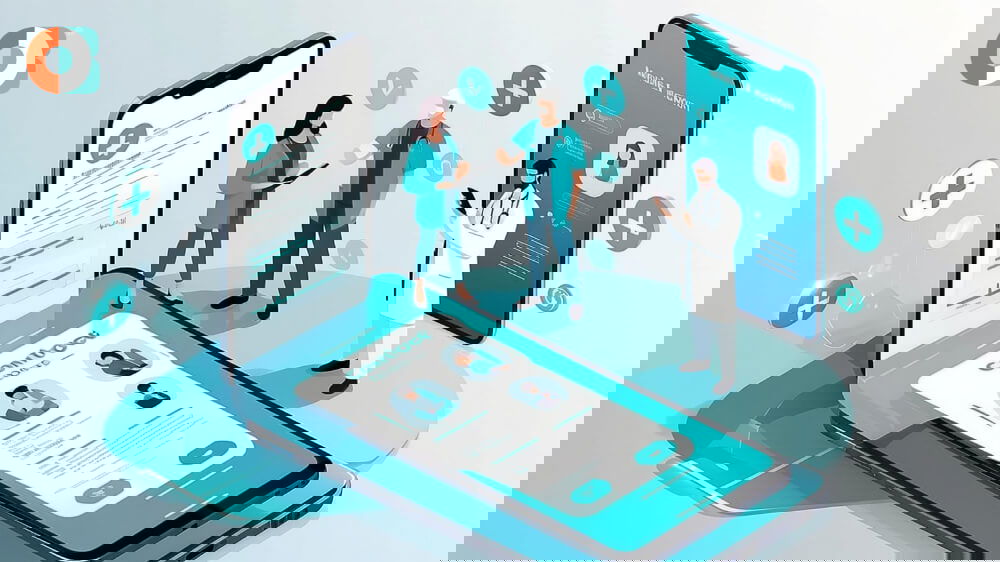
- Software as a Service (SaaS): SaaS also lets healthcare providers use modern and ready-made applications. Some examples also include appointment booking systems, electronic health records (EHR), and different telemedicine platforms. The vendor also manages the software so that the healthcare team can focus more on proper patient care instead of maintenance.
- Infrastructure as a Service (IaaS): IaaS also gives hospitals and healthcare organizations proper access to virtual servers, storage, and networking. These are similar to leasing a cloud-based data center. They can also successfully build and run their own systems and modern applications on this setup without needing to invest in physical hardware.
- Platform as a Service (PaaS): PaaS also provides both the infrastructure and tools that are needed to develop modern apps. This is also useful for the advanced healthcare tech teams that want to build modern and custom solutions, for example, AI-based diagnosis apps or data analytics tools.
Top Cloud Computing Trends in Healthcare
As technology advances, healthcare cloud computing trends are also experiencing a significant transformation. However, another best part is that such trends are already set to revolutionize how the modern healthcare field is delivered and managed.
1. Personalized Care Using AI and Machine Learning
Cloud platforms also use advanced AI and machine learning to analyze proper patient data while creating different personalized treatment plans. These tools can also successfully predict overall patient outcomes and help doctors act early. This assists with better diagnosis and fewer hospital readmissions, improving overall patient care and complete satisfaction.
2. Continuous Patient Monitoring Using IoT Integration
Different IoT devices, like smart wearables, assist in collecting patient health data while sending it to the cloud for real-time monitoring. This also helps healthcare providers track patients’ vitals and act quickly when needed. It also reduces the need for frequent hospital visits while helping to manage chronic conditions. Ultimately, it improves the patient’s quality of life.
3. Secure Data Sharing Using Blockchain
Among healthcare cloud computing trends, using the latest technology of blockchain to ensure that healthcare data is shared securely and only with authorized users. It also keeps patient records completely safe from the chance of theft. This, as a result, develops greater trust between healthcare providers and patients.
4. Faster Software Updates with DevOps Practices
Cloud platforms are also increasingly adopting the DevOps technology in modern healthcare, which enables faster and more reliable software delivery in the healthcare field. This trend also significantly supports quicker releases while reducing downtime and ensuring excellent system reliability.
What Are the Benefits of Cloud Computing in Healthcare?
The benefits of cloud computing in healthcare are significantly transforming different aspects of the modern healthcare field. From improved patient care to streamlined operations, the advantages in the field are significant.
1. Reduces Healthcare Cost
Cloud solution for healthcare usually provides a modern and scalable environment that meets the growing needs of healthcare businesses. Whether the data is generated from EMRs, wearables, or mobile health apps, a cloud computing system enables secure and efficient storage without the need for additional expenses.
2. Easy Integration
A big benefit of cloud computing in the health sector is that it can be integrated with different systems while using patient data. This also helps doctors and staff quickly find and use the correct information, even in case of emergencies. It also allows different healthcare providers to work together.
3. Ownership of Patient Data
Among the benefits of cloud computing in healthcare, ownership of patient data significantly empowers patients to manage and actively take charge of their health. Cloud computing also provides easy access to their medical data, allowing them to easily take part in certain important decisions.
4. Improves Collaboration
Using the advanced cloud technology in the healthcare field also helps doctors, patients, and other health workers work together better. Doctors can also quickly review past records and updates and even share the latest information with others in real-time.
What are the Risks of Cloud Computing in Healthcare and How to Mitigate Them
While the benefits of cloud computing in healthcare are many, but a single data breach also results in certain financial loss and damaged trust. Here are certain risks of using the cloud in healthcare and ways to mitigate them.
Data Security and Compliance
Cyberattacks are very common, particularly in the case of highly sensitive health data. Also, certain protocols like HIPAA and GDPR need to be followed.
Interoperability with Legacy Systems
Most healthcare providers use outdated systems. Hence, adopting APIs, integration middleware, and phased modernization strategies needs to connect the legacy systems with the modern cloud platforms.
Downtime and Reliability Issues
Healthcare operations are critical, and downtime in such cases often impacts patient care and safety. Hence, backup and disaster recovery plans allow for maintaining high availability for critical healthcare operations.
Vendor Lock-In and Skill Gaps
Lock-in and skill gaps often limit flexibility. Similarly, the skill shortages hinder proper and effective cloud management. Hence, it is necessary to choose multi-cloud or hybrid strategies that reduce the chances of dependency and overcome skill shortages.
Real-Life Examples of Cloud Computing in the Healthcare Industry
Some examples of cloud computing in healthcare usually drives greater innovation. This also significantly transforms proper patient care while improving operational efficiency. Here are some notable examples of using the cloud in healthcare where it has made a significant impact.
1. Microsoft
Microsoft’s cloud platform, Azure, helps hospitals to properly store and manage patient data safely. It also supports certain smart tools like AI to monitor patients while keeping up-to-date with their health patterns.
2. Pfizer
Pfizer also uses the latest cloud technology from Amazon Web Services (AWS) to speed up the overall development process and testing of new medicines. This has also helped their business to quickly manage data.
3. eClinical Solutions
eClinical Solutions provides the latest cloud tools to help different drug companies run clinical trials. Their platform also provides real-time updates that help teams to easily track progress while managing certain risks and avoiding delays.
4. TigerConnect
Among the examples of cloud computing in healthcare, TigerConnect offers a secure and proper messaging app for doctors and nurses. It also allows them to safely share proper patient information, different test results, and updates in real-time. Hence, hospitals can easily create and manage doctor schedules while saving time and reducing the chances of confusion.
Conclusion
Healthcare cloud computing trends are reshaping the modern healthcare industry by making proper data management more efficient while improving security and reducing overall costs. It also powers certain innovations such as AI diagnostics, remote monitoring, and telemedicine. All these keep the focus the same to deliver better patient care.
Ready to take your business in the healthcare industry to the next level with cloud computing? Choose Owebest Technologies and have the advanced cloud computing services that are tailored to your company’s needs.