




Build a Netflix Alternative: Launch Your OTT Platform in 2026
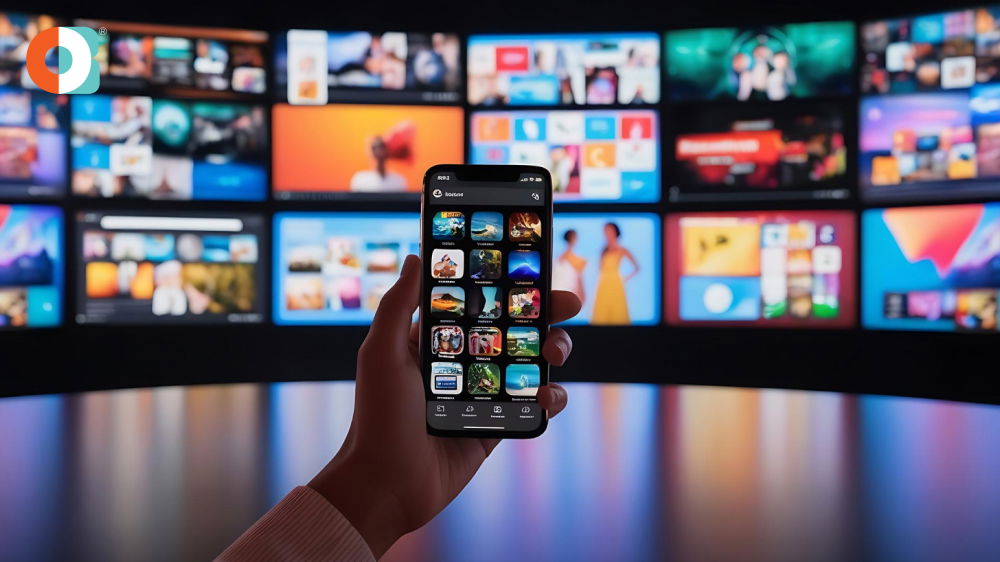
The streaming business has been on the rise, even though it is already saturated. Although Netflix, Disney+, and Prime Video are in the headlines, successful niche streaming services are flourishing because they provide niche audiences with niche content. From regional language platforms to genre-specific offerings, businesses that are willing to create differentiated OTT experiences have a lot of opportunity.
In case you are thinking about starting a Netflix alternative that targets particular markets or types of content, or categories of people, 2026 is worth considering. The streaming technology has become mature, prices have been reduced, and the audience has already demonstrated their readiness to spend money on the content that addresses their personal interests.
Understanding the OTT Opportunity
The content of over-the-top platforms is easily accessed by audiences via the internet directly without using the conventional distribution channels. This direct connection to users has proven to be beneficial to businesses: instant viewer feedback, customizable pricing structures, the ability to reach global audiences without needing to go through a traditional distribution channel, and data insights on the content that people liked.
OTT platform development has become more straightforward. Cloud infrastructure automatically addresses scaling, a content delivery network provides seamless streaming across the world, a payment system makes easy integration, and development frameworks speed up the time-to-market. The obstacles that previously prevented big studios from accessing streaming sites have drastically reduced.
Essential Features for OTT Platforms
Choice of Platform
Strong content management systems deal with video ingestion and processing, multiple resolution encoding to various connection speeds, content metadata and categorization, and release scheduling. The platform should give people clean streaming no matter where they are or what device they use—this cannot be compromised, and it is one of the main factors that influence your infrastructure choices.
User Experience and Discovery
Streaming platforms either succeed or fail based on their ability to facilitate content discovery. Users require a simple surfing experience and search, a personalized feed with recommendations depending on the history of viewing, a collection of curated playlists, and the ability to keep watching on the devices. The more accessible the content that the viewers like is, the longer they remain subscribers.
Multi-Device Support
Ultimate consumers have been demanding integrated experiences on smartphones, tablets, smart televisions, web browsers, and streaming platforms. Your platform should provide the same functionality across the board and take into account the distinctiveness of each form factor.
Subscription and Monetization
Several of the monetization models do not include just monthly subscriptions. One can consider SVOD (unlimited viewing with monthly payments), TVOD (purchase or rent per title), AVOD (free viewing through advertisements), and mixed formats that combine the methods. Select models that are aligned to your content strategy and audience willing to pay.
Analytics and Insights
Content strategy and platform enhancements are motivated by understanding the behavior of the viewers. Follow the content that is doing well, at what point they become inactive and which aspects engage viewers, and how different audiences react. These are used to make decisions about content acquisition and feature prioritization.
OTT Business Model for Startups
The most effective OTT business model for start-ups operates in phases. Instead of attempting to use generalized collections, start with specific content collections tailored to specific audiences. Deploy lean operations with what is already in place instead of constructing anything new. Focus on what makes your platform different and not the features that are similar to those of your competitors.
The content strategy should be reflected in revenue models. Subscription pricing benefits from premium niche content. Widely read articles could be more successful with advertising. Hybrid solutions allow the audience to select the experience they would like.
Look at partnering tactics that lower the content expenses by sharing revenue with creators, licensing with content libraries, or white labeling with existing platforms.
Content Strategy and Licensing
Everything in streaming is driven by content. The following may be part of these strategies: licensing of existing content, engaging in original content that is specifically created on your platform, finding user-generated content by creators, or some combination of these solutions.
Ad original content introduces differentiation and long-term value, and it is expensive to start up. Licensed material gives instant depth to the library but does not give exclusivity. Most successful platforms introduce a combination of both strategies.
Technical Considerations for Streaming Quality
Quality streaming involves considering adaptive bitrate streaming, which modifies the quality using connection speed; low latency, where live streaming is provided; and offering live content, which is strong protection against unauthorized broadcast of content.
The issue of poor streaming quality kills user experience at a rate higher than any other problem. The video streaming platform development guide focuses on the best practices, in that a comprehensive testing of various network conditions and devices should be carried out before the launch.
Regulatory and Compliance Requirements
The markets have diverse demands on streaming services. Data privacy laws such as GDPR or CCPA, content rating and classification, payment processing compliance such as PCI DSS, and licensing and copyright laws all need to be considered.
Ignoring compliance can lead to costly legal issues in the future. Make sure to incorporate compliance issues into your preliminary planning, rather than treating them as secondary considerations.
Building for the Long Term
Sustainable OTT services require building infrastructure that can grow as more people watch, creating content that keeps audiences coming back, having ways to make money to support operations, and constantly improving based on data and feedback.
At Owebest Technologies, we have come up with video streaming and content delivery platforms that operate high numbers of concurrent users with quality experiences. We realize that when you build your own OTT platform app, it needs to balance the immediate launch needs with the long-term scalability and integrate technical perfection with the realistic business knowledge.
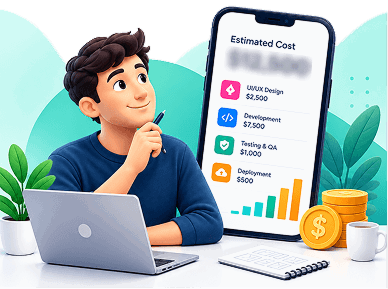
The potential of business in creating a Netflix substitute that will serve particular audiences is enormous, especially when you consider the cost to build a Netflix-like app. The secret lies in the ability to do well on differentiation, realistic cost and schedule knowledge, and being obsessed with great viewer experiences.
Ready to discuss your idea of an OTT platform? Contact Owebest Technologies and talk to us about how we can help you start your streaming service.