










The Best Online Auction Apps for Buyers and Resellers in 2026

Sourcing inventory or securing a favourable deal no longer requires waiting for a weekend estate sale. Online auction apps put hundreds of live listings on your phone, and the right one can turn casual bidding into a reliable sourcing channel. This guide compares the platforms worth your time in 2026.
Quickbidz is a Dallas-Fort Worth auction platform focused on local liquidation inventory and pickup-based transactions. Owebest developed and maintains the platform, so readers should consider that relationship when evaluating our observations. We have included Quickbidz because it serves a distinct local-liquidation use case that differs from national platforms such as eBay, Whatnot, and LiveAuctioneers.
Why Online Auction Apps Are Worth Your Time
Every auction app operates on the same underlying principle: sellers list items at a reduced price, and bidders compete until the listing closes. What differs across platforms is how much of that value ultimately reaches the buyer.
Resellers get direct access to liquidation pallets, overstock, and customer returns at a fraction of the shelf price, while everyday shoppers get brand-name goods without paying brand-name prices. The real advantage over a physical auction house is reach.
You can browse listings, place bids, and track wins from your phone instead of driving across town. A platform that handles notifications, payment, and pickup well turns this into a repeatable sourcing habit rather than a one-time gamble.
Marketplace Reach Indicators for Leading Auction Platforms (2026)
Not every auction app serves the same buyer, so the smartest move is to match the platform to what you are sourcing. Here is how the leading options compare.
How the Top Auction Apps Compare
Quickbidz: Built for Dallas-Fort Worth Buyers and Resellers
Quickbidz solves a problem most national platforms cannot for anyone sourcing inventory in the Dallas-Fort Worth area. Bids start at five dollars across fashion, electronics, home goods, and appliances, which keeps the entry cost low even when you are testing a new category.
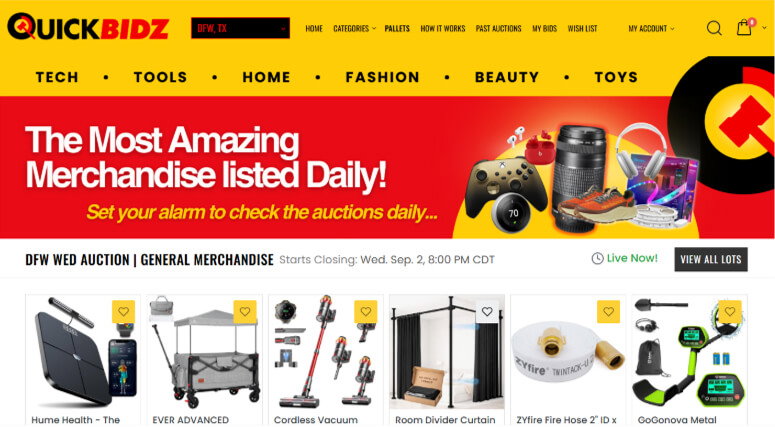
Local pickup removes shipping costs on furniture, appliances, and full pallets, protecting margin in a way that shipping heavy national platforms cannot match. Owebest built the platform's bidding, notification, and pickup logistics from the ground up, which is the kind of system a growing marketplace or reseller network can commission for their own market.
Expert Perspective:
During our work maintaining the Quickbidz platform, we observed that shipping costs often became the biggest factor affecting reseller margins. Local pickup-based auctions consistently reduced those costs compared with national marketplaces where freight charges can significantly impact profitability.
eBay: The Marketplace Every Reseller Already Knows
eBay remains the largest and most recognised auction marketplace, backed by well over 100 million downloads. Listings span nearly every category, so sourcing or reselling almost anything is possible. That scale also means heavier competition on popular items, which pushes final prices closer to retail.
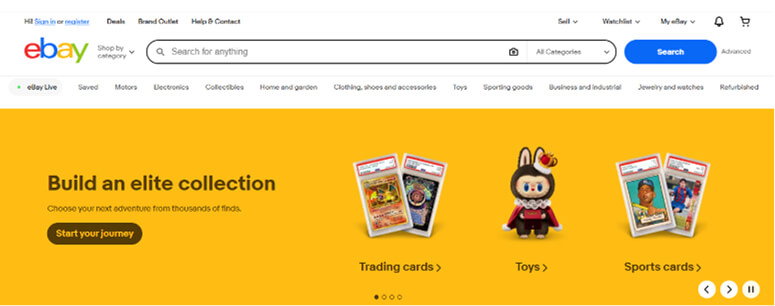
For businesses already running multichannel sales, eBay works less as a discovery platform and more as everyday infrastructure.
LiveAuctioneers: A Direct Line to Auction Houses
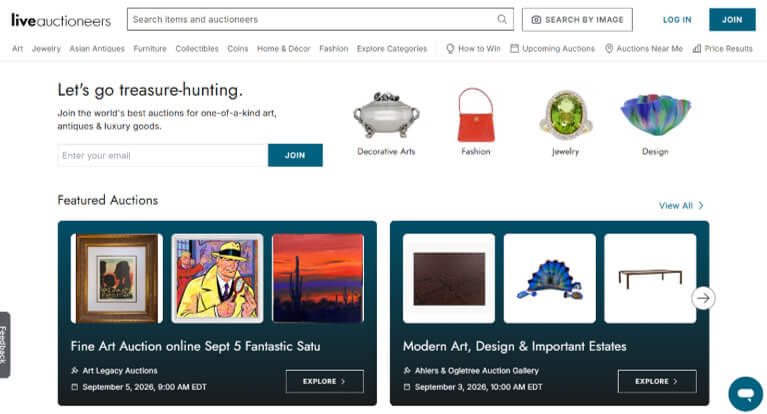
LiveAuctioneers works with more than 1,600 auction houses worldwide and facilitates access to millions of active bidders interested in fine art, antiques, jewelry, and collectibles. This is a platform for fine art, authenticated jewellery, and antique furniture rather than liquidation stock. Items are vetted by established houses, which suits collectors and buyers building a higher-end inventory.
Catawiki: Curated Finds for Specialist Buyers
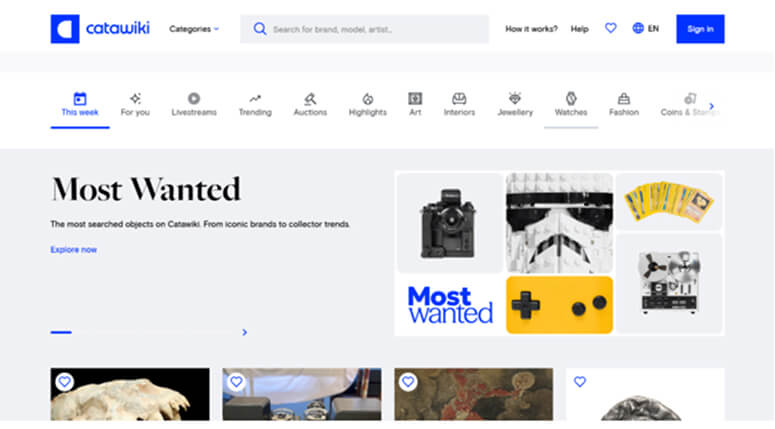
Catawiki operates on a curation-first model. Specialists review every lot before it goes live, helping buyers purchase niche collectibles with greater confidence. It's a good choice for niche resellers in watches, comics, or collectibles who want built-in authentication and don't want to do their own vetting.
Invaluable: Sourcing Art and Cultural Pieces
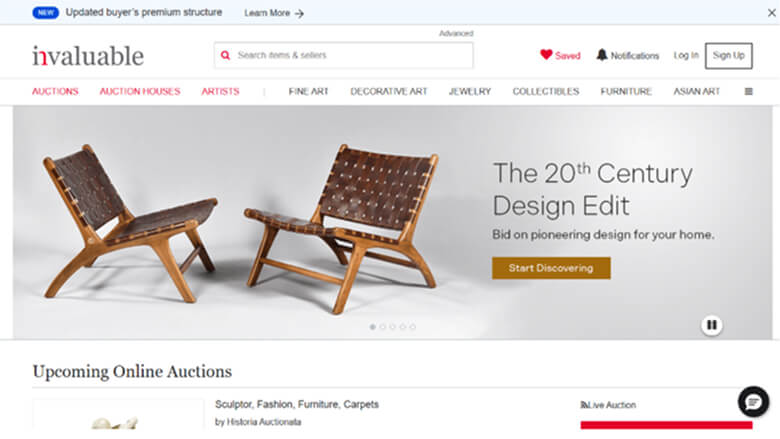
Invaluable partners with more than 5,000 auction houses across 53 countries and provides access to over 66 million historical price records for collectors and dealers. It suits buyers and dealers who need provenance and quality assurance on higher-value purchases rather than volume sourcing.
Auction.com: Real Estate Without the Middleman
For buyers expanding into property, Auction.com lists residential and commercial real estate without requiring an agent at every step. Listings range from single homes to large commercial holdings, and the platform is built around a transparent, straightforward bidding process.
Whatnot: Live Selling With a Social Edge
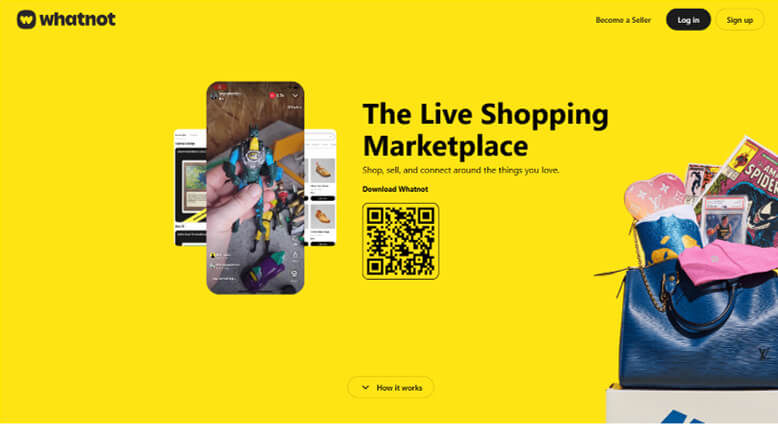
Whatnot turns bidding into a live video event, with sellers streaming while buyers bid in real time. It works well for trading cards, comics, and vintage apparel, and it rewards sellers and buyers who want to build a following rather than move volume anonymously.
ShopGoodwill and AuctionZip: Local and Cause-Driven Options
Shop Local and Cause-Driven Choices. ShopGoodwill is a retailer of donated items and uses proceeds to fund employment and training programs. Buyers can also do their bit by buying second-hand.
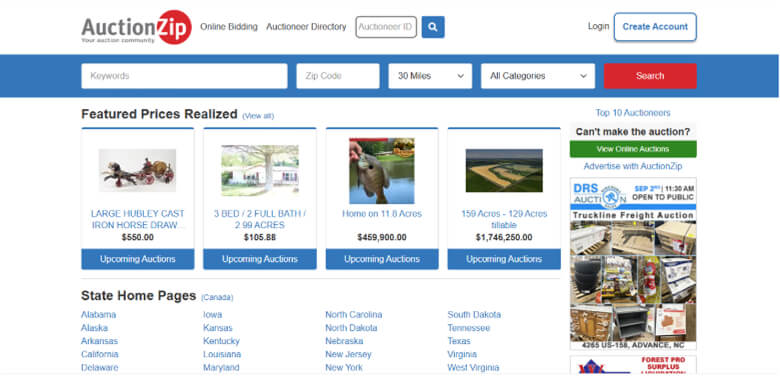
AuctionZip works as a directory of live, local auctions for real estate, farm equipment, and antiques, reporting nearly 14 million bidders annually across thousands of professional auctioneers in the United States. Both suit buyers who value community impact or in-person pickup over national reach.
What to Check Before You Commit to a Platform
Not every app is built the same, and the differences matter more once real money is on the line. Run through this checklist before you commit your budget to a new platform.
- Interface and speed: you should find listings and place a bid without extra taps or delays.
- Real-time notifications: instant outbid alerts protect your win, so set your own reminder if the app's alerts feel unreliable.
- Payment security: confirm the platform uses a recognized payment gateway before entering card details.
- Listing details: clear photos from multiple angles and an honest condition note matter most since you cannot inspect items in person.
Understanding the Real Cost of a Bid
The winning bid is rarely the final price you pay. These are the costs that typically stack on top of it, so you can calculate your real total before you commit.
- Buyer's premium: a percentage added on top of your winning bid.
- Payment processing fees are often added when you pay by card.
- Shipping and handling: skip this cost entirely on local pickup platforms like Quickbidz.
- Sales tax: add your local rate before you finalize your maximum bid.
Smart Bidding Habits That Protect Your Budget
Winning an auction is only half the win if you overpaid to get there. A few habits keep your budget intact, no matter how competitive the bidding gets.
Check a platform's past auction results to learn realistic sale prices before you bid, and set one firm maximum bid you hold to even when the bidding gets competitive. For resellers testing new inventory categories, spreading smaller bids across several items usually works better than risking your full budget on one listing.
Frequently Asked Questions
What is the difference between a standard auction and a liquidation auction?
A standard auction features one-of-a-kind items like art or antiques. A liquidation auction moves overstock or returned retail merchandise, often new or like-new, at prices well below retail.
Are liquidation items new or used?
Both appear regularly. Many are unsold overstock or returns still in strong condition. Always check the listed condition and photos before bidding.
Is pickup available for large items?
Yes, on most local platforms. After you win and pay, you get a pickup location and time window, and you handle transport.
Should I bid early or wait?
Early bids can discourage weaker competitors, but most real activity happens in the final minutes. Watch the item and place your true maximum bid a few minutes before it closes.
Which Online Auction App Is Best for Beginners?
The best platform depends on what you want to buy. eBay is generally the easiest starting point because of its large inventory and familiar buying process. Whatnot appeals to users who enjoy live auctions and community interaction, while platforms such as LiveAuctioneers and Invaluable suit collectors seeking art, antiques, and authenticated specialty items.
Which Platform Fits Your Buying Style
With the platforms compared, the decision comes down to what you are sourcing and how you prefer to buy.
If your priority is local liquidation inventory with no shipping cost eating into your margin, Quickbidz is the clear fit for Dallas-Fort Worth buyers and resellers.
If you need a massive general marketplace for almost anything, eBay covers that ground.
Collectors and dealers working in fine art, antiques, or authenticated collectibles are better served by LiveAuctioneers, Catawiki, or Invaluable, while buyers expanding into property should look at Auction.com.
Whatnot suits sellers who want a live, social format, and AuctionZip or ShopGoodwill work well for local or cause-driven sourcing.
Matching the platform to your sourcing habits, rather than chasing every deal on every app, is what actually protects your margin over time.