









AI in Transportation: Benefits, Use Cases, and Examples
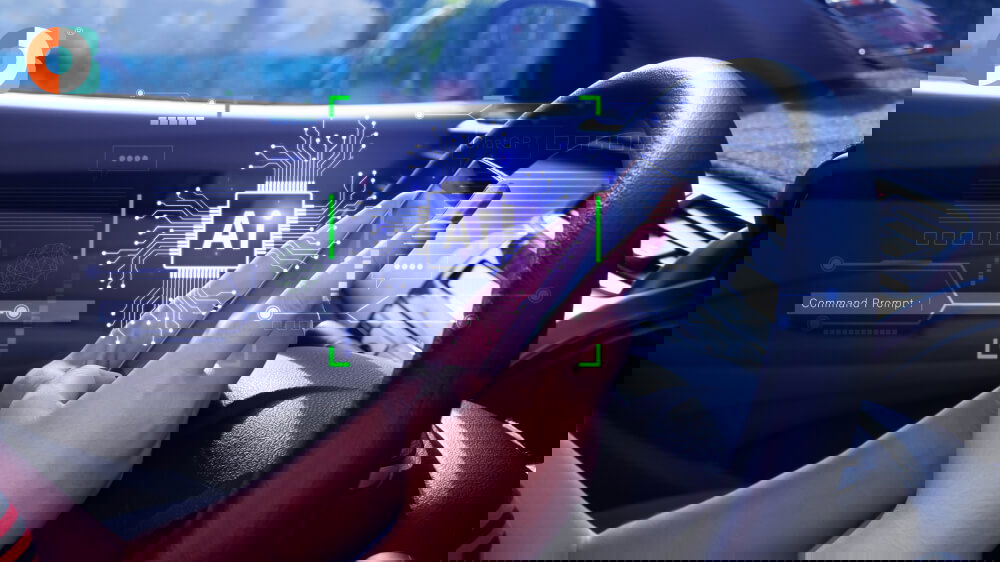
The transportation industry is evolving at an accelerated rate due to Artificial Intelligence (AI). Now you understand that the influence of AI on transportation is enormous and expanding. It is predicted that the AI in transportation market is estimated to increase to US$ 6.51 billion in 2031. It demonstrates the increasing tendency among enterprises to employ AI power in various aspects of transportation.
They include autonomous vehicles, smart traffic systems, and more efficient delivery. In this blog, we will discuss the benefits of AI in transportation, how it has been implemented in recent years, and present real-life examples. Continue reading to discover how AI will revolutionize the future of transportation.
Impact of AI on the Transportation Industry
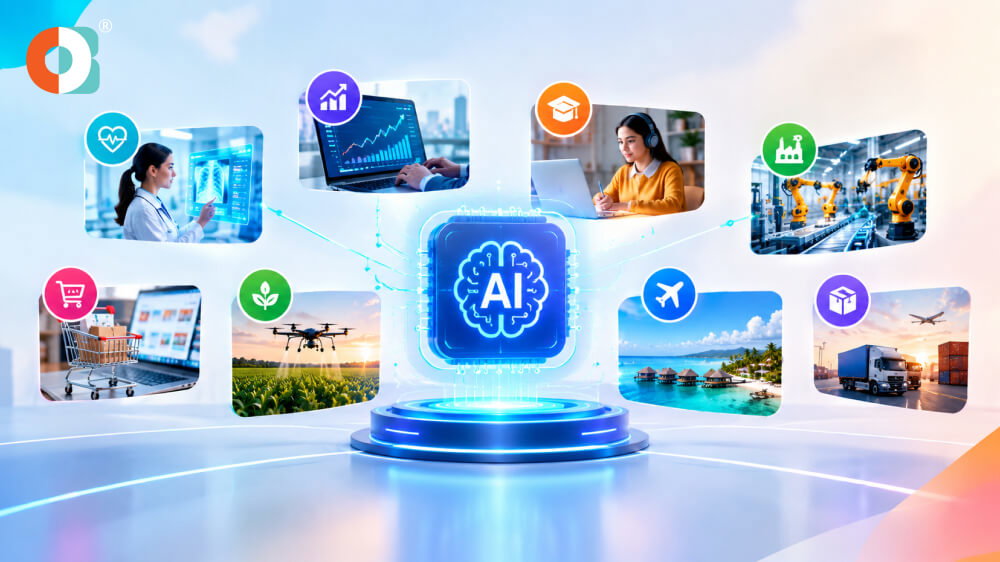
Artificial Intelligence or AI in transportation and logistics is transforming the transportation sector. This has contributed enough to make the transportation industry safer, quicker, and more effective. AI is streamlining processes across various fronts, including driverless cars, more intelligent network traffic, and predictive maintenance. It assists companies such as FedEx and UPS in identifying vehicle problems early, before a breakdown occurs, thereby saving money.
Cities like Los Angeles are utilizing AI to streamline traffic, reducing congestion and pollution. Additionally, delivery companies such as Amazon and DHL utilize AI in route planning, which results in lower fuel consumption and reduced costs. Also, with AI enhancing aviation and supporting electric vehicle adoption, its growing impact, from $6.7B in 2023 to $10.88B in 2024, is undeniable.
Advantages of Using AI in Transportation
Today, no one can deny that the impact of AI in transportation industry is growing. As it brought convenience and efficient solutions, more companies are using it. In fact, it is contributing to economical and safe travel. Besides these, there are other benefits.
Improved Efficiency
AI is beneficial since it can control traffic, thereby eliminating traffic jams and minimizing the time spent on the road. With AI, now traffic lights are controlled by AI systems that use real-time data. When it comes to fleet management, businesses such as FedEx are using AI to identify the fastest path taken by their vehicles and save time and fuel.
Cost Reduction
On the transportation front, AI reduces expenses. It has become possible as now drivers have less burden on their shoulders. Everything from vehicle maintenance to route planning and traffic movement can be done automatically with AI. This also minimizes the total operational cost and enhances efficiency.
Improved Safety
AI in transportation is also contributing to increased road safety. It eliminates human error, which is a major contributor to accidents. Cars that can drive themselves, such as the Tesla cars, involve AI to make last-minute decisions. Studies indicate that AI presents faster response time and higher accuracy to minimize accidents by more than 34%. This saves thousands of lives as more people start using AI.
More Sustainability
Artificial intelligence can be used to ensure that vehicles take the most efficient routes. This way, it helps reduce fuel consumption and carbon emissions. For example, Amazon's AI-based system works in this way, as it can shorten delivery times and reduce fuel usage.
Real-time Decision Making
AI enables transportation systems to make decisions within a short timeframe due to the real-time analysis of data. In transportation, AI applications can coordinate traffic signaling according to the flow, as they can recognize congested areas. For instance, AI at airports helps to operate more effectively. It can predict the flow of passengers to facilitate the check-in process and enhance security.
Use Cases of AI in Transportation
With the help of AI, the world is experiencing significant advancements in the sphere of transportation. Now, AI in transportation and logistics is not a dream anymore, it's the reality. Now, smart solutions promote safety, efficacy, and user experience. It is changing the ways we commute and move goods in and between cities and nations. Some of the important use cases are as follows:
Self-driving Cars
Automotive Software Development enables autonomous vehicles to use AI that analyzes information through sensors and cameras to make split-time choices These vehicles can brake, steer, and accelerate without human intervention. They assist in minimizing road accidents and provide support to physically disabled people to help them get into cars.
Customer Service Chatbots
When talking about AI in transportation industry, we have to mention AI-powered chatbots. Yes, it can help customers with questions regarding routes, schedules, and bookings. This way, support is available round the clock and provides immediate responses while reducing wait time. They help transport companies offer their customers a better experience, reduce the cost of their operations, and manage peak-time requests more effectively.
Smart Traffic Systems
With the help of AI, companies can analyze live traffic information to optimize traffic signals. It helps ensure reduced delays and lower carbon emissions. Such systems are geared towards eliminating bottlenecks and ensuring that everyone travels within urban areas without any hitch.
Ride-hailing Services
AI-powered ride-hailing services, such as Uber and Lyft, pair drivers with passengers. It even computes the best routes, forecasting, and price adjustments. So, you can say AI in transportation industry is also minimizing the waiting period, increasing the quality of the services.
Smart Deliveries with Drones
The use of drones is another significant development following the introduction of AI in transportation. It quickly ships goods and products in a shorter time without problems. The drones use GPS and computer vision to locate delivery addresses. The best part is that companies are saving up to 30% on shipping time.
AI in Fleet Management
AI tracks fleet driver behavior, fuel use, and vehicle performance. It forecasts the maintenance and route optimization. Lower costs, reduced numbers of breakdowns, and enhanced efficiency of the logistics make transportation more comprehensive and sustainable.
Smart Parking System
The AI-based solutions help navigate a driver to an available parking place using sensors and real-time information. This will save time wasted on parking and ease of traffic jam. It also reduces emissions and improves urban planning thanks to better space utilization and the use of data.
Examples of AI in Transportation
Leading companies around the world are turning towards AI to revolutionize the process of transporting goods. That is why many hire AI developers to implement AI into their transportation systems. However, here are some real-world applications in which AI reduces speed, safety, and efficiency in transportation.
Amazon- Use AI for Smart Delivery
Amazon utilizes AI in the optimization of delivery routes, cargo volume forecasts, and warehouse operations. Its AI systems also contribute to achieving faster and more accurate deliveries by examining traffic, weather, and customer data. This results in a decrease in shipping time and increased customer satisfaction worldwide.
Tesla- Self-driving Cars
One of the well-known AI in transportation examples is Tesla's self-driving cars. They provide automated driving, which receives data from cameras, sensors, and radar in real time. The system controls stopping, speeding up, changing lanes, and object observation. The AI developed by Tesla enhances safety by mitigating human errors.
Hitachi- Fleet Maintenance Software
The AI-based software offered by Hitachi tracks the performance of the fleet to determine when maintenance should occur. It examines engine information, driving behavior, and wear patterns. This also limits downtime and eliminates malfunctions and routine breakdowns. Besides that, it assists companies in having more efficient and economical ground for vehicles.
BMW-AI-powered Personal Assistance
BMW added AI-based personal assistants to their cars, providing voice access to navigation, entertainment, and car operating features. The systems memorize the preferences of the drivers and get better with time. The AI enhances convenience, personalizes the user experience, and makes the driving process much safer.
Uber- Smart Ride Matching
Uber has been using AI to connect riders with nearby drivers easily and effectively. It is one of the best AI in transportation examples that forecasts demand and pricing and proposes the best route. This technology reduces wait time, increases fuel efficiency, and offers a smooth, user-friendly experience to millions of commuters who use it daily.
Waymo- Ride Hailing
Waymo is Alphabet's autonomous vehicle division, a part of Google's parent company, Alphabet, that provides ride-hailing mobility fully powered by AI. Its vehicles can easily navigate complicated urban areas without any human input. Self-driving public transport has become a reality because AI improves the visibility of objects, interpretation of traffic rules, and instant decision-making.
FedEx- Predictive Maintenance
FedEx employs AI to inform the time of failure of the delivery vehicles' part. The system identifies possible problems at an early stage by performing data analysis of the vehicle's performance. This proactivity prevents delays, extends the vehicle's lifespan, and ensures timely deliveries. As a result, it saves time and maintenance costs.
Conclusion
AI is transforming transportation by making it more intelligent, quicker, and less prone to failure. Whether it is self-driving cars, smart logistics and predictive maintenance, the advancements are promising a safer and more efficient future.
With the increasing number of companies adopting these technologies, a trusted AI development company is needed to design customized and scalable solutions. Owebest Technology leads the way in advanced AI development for the transportation sector. So, be our partner and ensure innovation along with efficiency in your mobility.