




AI Emotion Recognition: Applications and Examples
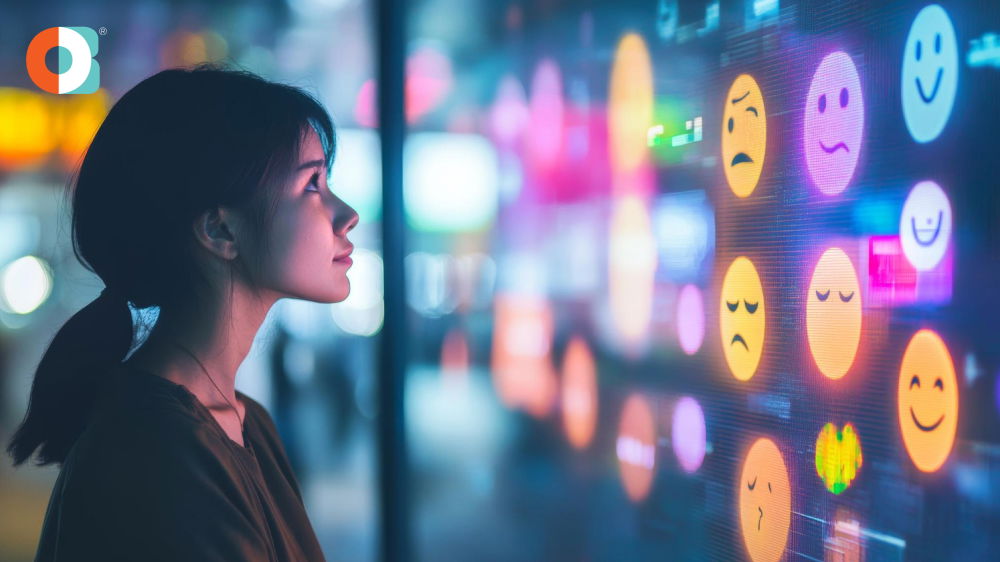
Artificial Intelligence is no longer restricted to logical tasks. Now, it can understand how humans feel. That is why there is a growing importance of AI emotion recognition. It involves the real-time detection of human emotions based on voice tones, facial expressions, and biometric data.
It not only analyzes everything, but it also responds to it quickly. That is why it is predicted that the AI emotion recognition market will touch 113.32 billion by 2032. The best part is that most industries are getting benefits such as healthcare, eCommerce, education, and others. So, read it to know to get more detailed information on this.
Understanding AI Emotion Recognition
AI emotion recognition is a technology that determines the emotions of human beings using artificial intelligence. It interprets facial expressions, voice intonations, body gestures, and physiological indications. The system then analyzes this data to determine how a person feels.
It applies deep learning and machine learning technology trained with extensive amounts of emotional data. The aim is to boost the communication between humans and machines. It assists computers to behave more human-like, making it easier to interact with each other. Now, it is used in various spheres, ranging from marketing to mental health assistance.
The Fundamentals of AI Emotion Recognition
AI emotion recognition is a mixture of data science and human psychology. It analyzes feelings based on numerous data streams and advanced algorithms. So, before knowing AI emotion recognition examples, understanding its fundamentals is equally crucial. This section discusses the major technologies that make AI accurate, fast, and increasingly human-like.
Multimodal Fusion
Multimodal fusion integrates facial expression, voice, text, and physiological measures to improve emotion recognition. This overlapping input increases accuracy, allowing the system to measure emotions with greater reliability.
Deep Learning and Neutral Networks
Neural networks enable deep learning to process data in complex patterns related to emotional information. Conventional and recurring neural networks assist in identifying expressions and voice modulations. Additionally, AI emotion recognition analyzes textual signs to enhance the real-time identification of emotions on various platforms.
Brain-computer Interface
The brain-computer interface records the electrochemical data coming through the brain. Then, AI uses it to interpret the emotions directly through the brainwave patterns. Their apps extend from therapeutic interventions to enhance the virtual reality experience.
Virtual Reality
VR environments, with the help of AI, change according to the emotions of its users. It can monitor reactions using sensors and provide an opportunity to adjust gameplay or therapy in real time based on mood. This customized communication generates deeper, more involving, and emotionally perceptive virtual experiences.
Vocal Biomarker Analysis
AI emotion recognition can interpret the emotional states of a person based on the tone of voice, pitch, and others. This approach can be helpful in call centers, healthcare, and mental wellness applications when the tone of voice indicates whether one is stressed, anxious, or excited.
Natural Language Processing
NLP analyzes words, phrases, and feelings expressed in words or text. It is used to drive chatbots, virtual assistants, and tools that monitor social media activities to recognize and respond to human emotions.
Simulated Emotional Models
These models enable the use of AI systems to simulate emotions and act empathetically. AI will gain more trust and involvement as it mimics human emotional behaviors to respond. Therefore, it can be effectively utilized in customer care services, companion robots, educational tools, and other applications.
Best Applications of AI Emotion Recognition
Artificial intelligence in emotion recognition is redefining the way machines comprehend and react to emotions. It provides more personalized user experiences across several industries. So, here are some of the AI emotion recognition use cases:
Marketing
Brands will be able to adjust the content to reflect an intense emotional response to advertising with the help of AI. This increases the engagement and real-time optimization of campaigns. Also, the brands get an idea of the targeted audience and help companies understand their audience psychologically.
Human Resources
One of the well-known AI emotion recognition use cases is its application in the human resources department. It helps HR teams track employee welfare, ensures better interviewing, and reduces burnout. Additionally, it paves the way for creating emotionally productive workplaces, as it detects non-verbal communication while conducting quick hiring and performance assessments.
Retail
Emotion recognition by retailers is applied to study the expressions of customers during shopping. This assists in customizing offers, store layout, and product positioning to enhance satisfaction and raise their intention to buy.
Customer Service
Emotion monitoring with AI will help improve customer service to anticipate frustration or satisfaction when people communicate. It allows making changes to responses in real time, maximizing resolutions, and establishing better customer relationships.
Healthcare
In the field of mental wellness, the AI emotion recognition use cases are there to make diagnoses such as depression and anxiety easier. It monitors emotions from a long-term perspective, utilizes remote monitoring, and enables physicians to use statistical data to make informed therapeutic decisions.
For teams taking this topic into delivery, AI Agent Development offers a useful next step, with practical guidance on features, technology choices, and implementation planning that complements the discussion above.
Gaming
Emotion AI is employed by game developers to adjust the storyline and difficulty levels according to the player's mood. This forms a very immersive, real-time, responsive game-playing experience that adapts to emotions on the fly to increase interaction with the user.
Driving Assistance
Vehicle motion detection extends to detecting the alertness of drivers and their moods. It assists in avoiding crashes by recognizing stress and providing alerts or activating autonomous protective systems to maintain focus on the road.
Examples of AI Emotion Recognition
AI-based emotion recognition systems are no longer a dream of the future. There are many AI emotion recognition examples in various industries. Through the analysis of facial expressions, tones of voice, and physiological cues, companies and products can personalize their customer experiences, detect potential dangers, and make better decisions. To know more about them, here are some examples for you.
Affectiva: AI of Emotion Automotive
The leader in emotion AI development, Affectiva, created in-cabin automotive applications that read the emotions, distractedness, and fatigue of drivers. It can make the roads safer, issuing alerts or self-activating the autonomous option when critical.
HireVue: Emotion Analysis in Interviews
HireVue incorporates the power of AI to evaluate candidates through video interviews. It analyzes their face, tone of voice, and word choice to determine the qualities that recruiters look for. It can lead to increased confidence and engagement, allowing the employer to make a better-informed hiring choice. If you want to make this kind of app, you can hire AI developers from trusted companies and stay ahead of the competition.
Apple- Facial Expression Analysis
Apple acquired a startup, Emotient, which focuses on facial expression analysis. This technology is expected to enhance the user experience of iPhones and Apple Watches through emotionally responsive features.
Amazon- Analyzing Customer Sentiment
Amazon uses Alexa and customer experience tools that have emotion recognition. It personalizes the way it responds to people and understands how to interact with them based on voice tones. The best part is that they are also testing emotion AI in the retail sector.
IBM-Quick Emotion Analysis
IBM Watson is one of the best examples of AI emotion recognition, capable of analyzing text, voice, and facial expressions to detect emotions. It is applied in cases where viewers' experiences are improved by analyzing the emotional reactions to television shows and films.
Beyond Verbal – Vocal Biomarker Analysis
In addition to analyzing voice modulation, Beyond Verbal helps define emotions such as happiness, anger, or sadness. This feature is applied in customer support, healthcare diagnostics, and individual wellness apps to obtain emotional answers without relying on facial information.
NuraLogIx- Track Blood Pressure Level
As AI emotion recognition does real-time analysis, it is a crucial tool in healthcare. So, NuraLogIx's AI technology now takes advantage of this to monitor the blood pressure levels of patients.
Future of AI Emotion Recognition
In the future, AI emotion recognition will see a couple of advancements that are going to go a long way in revolutionizing its capabilities and applications. Nevertheless, the primary spheres in which Emotion AI would improve in the future.
- Future developments will be aimed at enhancing the precision and sensitivity of Emotion AI to pick up subtle emotional changes. These involve enhanced perceptions of microexpressions, which are short-lived, involuntary facial expressions that reveal genuine emotions. These advances will be used in the form of advanced algorithms and better training datasets.
- Emotion AI will learn to understand the context of emotional expressions better. It may look at environmental conditions, previous actions of the user, and situational context to give a more viable understanding of the emotions. Think of a home automation system that can adjust the lights and music according to past behavior and user mood.
Conclusion
AI emotion recognition is transforming the way businesses interact with and communicate with people. Now, with the help of AI, they are developing systems that can recognize emotions across various industries. U.S. companies are at the forefront of making AI-emotion-recognized useful apps for everything from hiring to healthcare.
To use this power, you need to work with the right AI development company. Do you want to utilize emotion AI in your business? Get in touch with Owebest Technology, where innovative solutions make a difference in the real world.